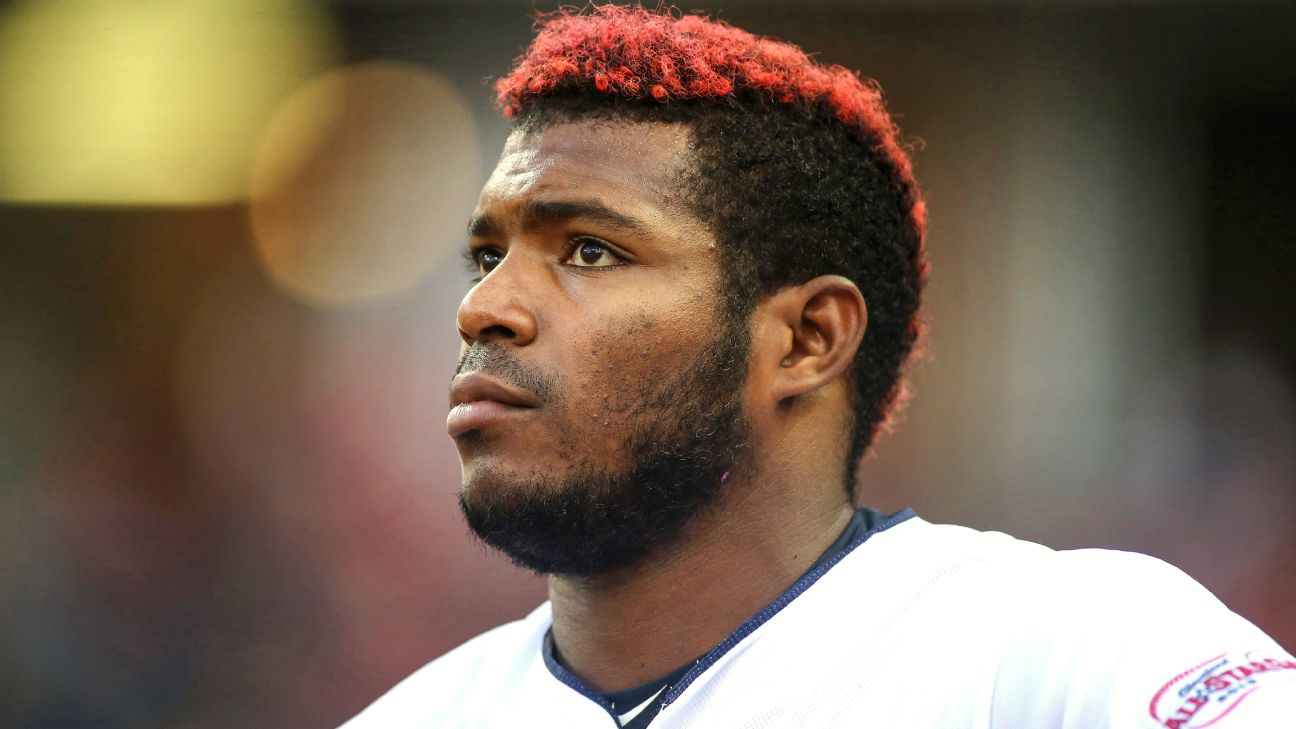
If you are new to sports betting or just getting into MLB wagering for the 2026 season, the Yasiel Puig guilty verdict from February 6, 2026 is one of the most important stories you need to understand. A federal jury found the former Los Angeles Dodgers and Cincinnati Reds outfielder guilty of obstruction of justice and making false statements to federal investigators. He faces up to 20 years in prison, with sentencing scheduled for May 26. This case, combined with the Emmanuel Clase scandal, represents a fundamental shift in how Major League Baseball and federal authorities are treating gambling-related offenses. Here is what it all means for you as a bettor.
What Puig Actually Did, A Beginner's Breakdown: The timeline matters. Puig started placing illegal bets in May 2019 through Wayne Nix, a former minor league pitcher who was operating an illegal gambling operation. By June 2019, Puig had racked up $282,900 in gambling losses. He was not betting pocket change. From July 4 through September 29, 2019, he placed 899 bets on tennis, football, and basketball through Nix's operation. That is an average of roughly 10 bets per day over a three-month span. To be clear, there is no evidence that Puig bet on baseball games. His bets were on other sports. But here is where it turned criminal: when federal investigators interviewed Puig in January 2022 about his connection to the illegal gambling ring, he denied knowing the nature of his bets. He lied to the feds. That is what got him convicted.
Why This Matters for Bettors, Even Though Puig Did Not Bet on Baseball: If you are just learning sports betting, you might be wondering why you should care about a former player's legal troubles. The answer is that cases like Puig's shape the regulatory environment that directly affects your ability to bet legally and safely. Every time a high-profile gambling scandal hits baseball, it gives regulators and legislators ammunition to tighten rules, increase oversight, and in some cases restrict the types of bets available to the public. The Puig case, landing just weeks after the Clase match-fixing indictment, creates a one-two punch of negative headlines that puts MLB's relationship with the legal sports betting industry under a microscope.
How MLB's Gambling Rules Have Evolved Since Pete Rose: For decades, the gold standard of baseball gambling rules was simple: Pete Rose bet on baseball, Pete Rose got banned for life. End of story. But the landscape has changed dramatically since the Supreme Court's 2018 Murphy v. NCAA decision legalized sports betting nationwide. MLB now has official partnerships with DraftKings, FanDuel, and BetMGM. You can literally see betting odds displayed on broadcasts during games. The league went from treating gambling like a plague to embracing it as a revenue stream in less than a decade. That evolution created a gray area. Players are still prohibited from betting on baseball, and they cannot use illegal bookmakers for any sport. But the league now exists in a world where its own broadcast partners are encouraging fans to place bets in real time. The rules for players have gotten stricter while the rules for fans have gotten more relaxed. Understanding this distinction is essential if you want to navigate the betting landscape intelligently.
The Puig Defense and What It Reveals About the System: Puig's defense attorneys made arguments that every sports bettor should be aware of. They argued that Puig has a third-grade education, untreated mental health issues, and was not provided with an interpreter or criminal defense counsel during his January 2022 interview with federal agents. In other words, the defense position was that Puig did not fully understand the legal consequences of his statements. The jury rejected those arguments and convicted him, but the defense raises a legitimate point about the disparity in how the gambling system treats different participants. The sportsbooks employ armies of lawyers and compliance officers. The leagues have billion-dollar legal teams. But the individual players, particularly those from disadvantaged backgrounds, often navigate these situations without adequate support. This matters for bettors because it speaks to the integrity of the system you are participating in. The playing field is not level, and understanding that helps you make more informed decisions about where and how you place your money.
What This Means for Legal Sports Betting Markets in 2026: Here is the practical impact. The Puig verdict, combined with the Clase indictment, is going to accelerate MLB's push for more aggressive integrity monitoring. That means more sophisticated tracking of betting patterns, more real-time surveillance of player performance metrics, and potentially new restrictions on certain prop bet types that are more susceptible to manipulation. For beginners, the key takeaway is this: stick with legal, licensed sportsbooks. Puig's entire problem started because he used an illegal bookmaker. Had he placed his tennis, football, and basketball bets through a legal app, none of this would have happened. He would not have been connected to a federal gambling investigation, he would not have been interviewed by the feds, and he would not be facing 20 years in prison. The legal betting infrastructure exists specifically to protect both the bettor and the integrity of the games.
899 Bets in Three Months, A Cautionary Tale About Betting Volume: One detail from the Puig case should give every new bettor pause. He placed 899 bets from July 4 to September 29, 2019. That is not disciplined gambling. That is compulsive behavior. And it resulted in $282,900 in losses. If you are building a betting strategy for the 2026 MLB season, volume is not your friend. Quality over quantity is the most important principle you can learn early. Our AI models focus on identifying the highest-value opportunities rather than betting every game on the board. A disciplined bettor who takes 3 to 5 well-researched positions per week will outperform a volume bettor placing 10 bets a day almost every time over a full season. Puig's case is an extreme example, but the lesson applies to every level of wagering.
Puig Remains Free on Personal Recognizance Until Sentencing: Despite the guilty verdict, Puig is not currently in custody. He remains free on personal recognizance pending his May 26 sentencing. The maximum sentence of 20 years is unlikely given the nature of the charges, but federal sentencing guidelines for obstruction of justice and false statements typically carry real prison time, not just probation. Legal analysts expect somewhere in the range of 12 to 24 months depending on the judge's assessment of the case.
The AI Betting Model Perspective: From a data and modeling standpoint, cases like Puig's reinforce why our AI approach focuses exclusively on legal, verifiable data sources. Every bet recommendation our models generate is based on publicly available statistics, injury reports, weather data, and official betting lines from licensed sportsbooks. We do not rely on inside information, rumor, or gray-market data. The integrity of your betting inputs determines the integrity of your betting outputs. When high-profile cases like Puig and Clase dominate headlines, it reminds everyone in the sports betting ecosystem that the foundation of profitable long-term wagering is transparency and legality, not shortcuts.
Bottom Line for 2026 MLB Bettors: Use legal sportsbooks. Bet with discipline. Do not chase losses. Pay attention to integrity news because it can shift the market. And remember that the regulatory environment around MLB betting is tightening, not loosening, which ultimately protects you as a bettor even if it sometimes limits the types of wagers available. The Puig verdict is not just a headline. It is a signpost for where the entire industry is heading.